
Imported Asian Noodles in India
Explore the Authentic Flavors: Imported Asian Noodles in India
The Indian palate has embraced culinary globalism like never before, driving an unprecedented surge in demand for imported Asian noodles in India. Driven by pop culture trends, social media culinary challenges, and a growing appreciation for regional Asian cuisines, food lovers across the country are moving beyond traditional instant noodles to explore rich, authentic pan-Asian dishes.
From springy Japanese Udon and wheat-based Ramen to thin Thai rice sticks and chewy Korean ramyun, imported Asian noodles offer exceptional textural diversity and depth of flavor. These gourmet noodle options provide a rich canvas for authentic broths, fiery spice pastes, and savory stir-fry sauces. Made using traditional milling and air-drying techniques, premium Asian noodles maintain a firm, bouncy bite that absorbs flavors effortlessly without turning soft or mushy.
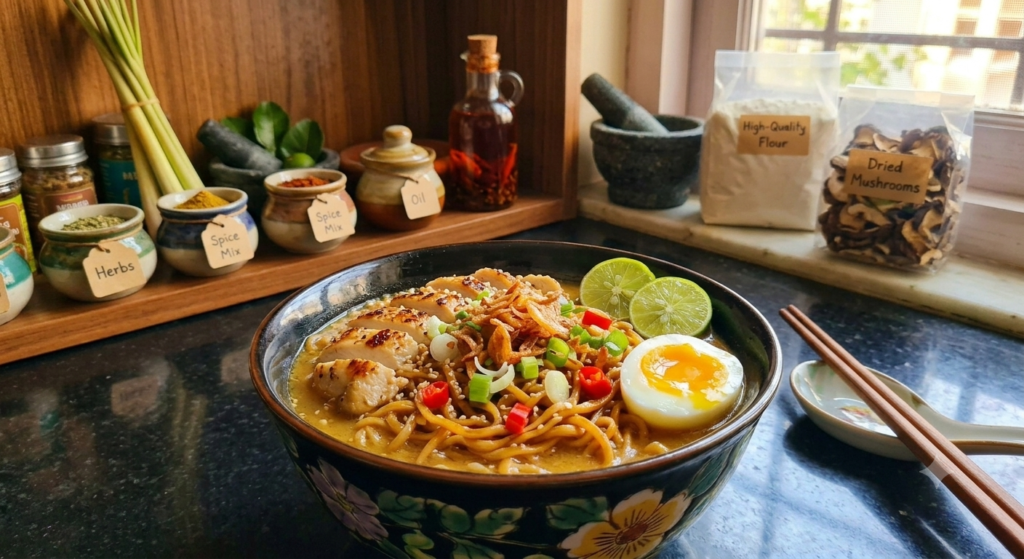
With quick-commerce apps and online gourmet stores delivering across Indian cities, bringing authentic Asian dining into your home kitchen has never been easier. Pair these noodles with fresh mushrooms, sliced greens, soft-boiled eggs, or aromatic oils to create restaurant-quality bowls in minutes. Upgrade your pantry with authentic Asian noodles today and experience the comforting, true flavors of East and Southeast Asia!
Frequently Asked Questions
What types of imported Asian noodles are most popular in India?
The most sought-after Asian noodle varieties in India include thick wheat-based Udon, classic Ramen strands, delicate rice vermicelli, flat rice sticks (ideal for Pad Thai), and glass noodles made from mung bean starch.
What is the main difference between Ramen and Udon noodles?
Ramen noodles are typically thinner, yellow, wheat-based noodles made with alkaline water for a distinct chewy bite. Udon noodles are significantly thicker, white, wheat flour noodles known for their soft, pillowy yet bouncy texture.
Are rice noodles naturally gluten-free?
Yes, authentic rice noodles and rice vermicelli made strictly from rice flour and water are naturally gluten-free. However, always inspect product labels for cross-contamination warnings or added wheat starch.
How can I tell if imported Asian noodles are vegetarian?
In India, packaged foods carry specific dietary indicators. Look for the official green dot on the packaging, or read the ingredient list carefully to verify that no poultry, meat extracts, or seafood powders are used in the noodles or broth bases.
Do imported Asian noodles contain MSG?
Some traditional seasonings and instant varieties may contain MSG to enhance umami flavor. However, many plain dried noodle strands (like Udon, Soba, or Rice sticks) contain only base grains and water with zero added MSG
What are glass noodles made from?
Glass noodles (also known as cellophane noodles) are translucent noodles crafted from plant starches such as mung bean, sweet potato, or tapioca starch, rather than wheat or rice flour.
Why do imported Asian noodles require different cooking times?
Different flours and thicknesses dictate cook times. Thin rice vermicelli may only require a 2-minute soak in hot water, whereas thick wheat noodles like Udon require 5 to 7 minutes of active boiling to hydrate properly.
Should I rinse Asian noodles in cold water after boiling?
Yes, rinsing cooked noodles (especially Soba, Udon, or Rice noodles) under cold running water removes excess surface starch, prevents overcooking, and stops them from sticking together.
What key ingredients pair best with Asian noodles?
Classic pairings include toasted sesame oil, soy sauce, chili paste, fresh ginger, garlic, scallions, bok choy, mushrooms, tofu, soft-boiled eggs, and chili flakes
Where can I buy authentic imported Asian noodles in India?
You can easily purchase imported Asian noodles on major e-commerce websites, instant delivery apps, and specialty gourmet supermarkets across metro cities in